


Can You Install a Floating Staircase in an Existing Home?

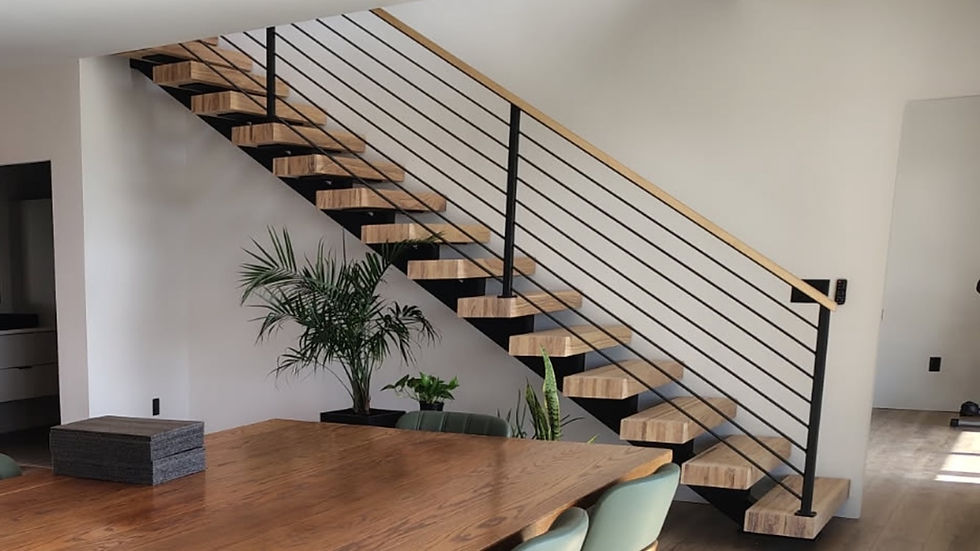
Many homeowners discover floating staircases long after their home is built and assume they've missed their opportunity. The first question is usually the same: "Can I install a floating staircase in my existing home, or is that only possible during new construction?"
The reality is that many floating staircase projects are installed in existing homes during renovations and remodels. Whether you're replacing an outdated staircase, opening up a floor plan, or simply looking to modernize your home, a floating staircase may be a viable option.
However, every home presents unique challenges. Structural support, existing framing, stair opening dimensions, and budget all play a role in determining whether a floating staircase is the right solution.
In this article, we'll explore the most important factors to consider when installing a floating staircase in an existing home.
The Short Answer: Yes, In Many Cases
The good news is that floating staircases can often be installed in existing homes. While every project must be evaluated individually, replacing a traditional staircase with a floating staircase is far more common than many people realize.
In fact, some of the most dramatic staircase transformations happen during remodel projects. Homeowners often discover that removing a bulky traditional staircase and replacing it with a floating staircase can completely change the feel of a space. Natural light improves, sight lines open up, and the home immediately feels more modern.
That said, installing a floating staircase in an existing home is rarely a simple swap. The existing structure must be evaluated to ensure it can properly support the new staircase system.
Existing Staircases Usually Need to Be Removed
In most cases, the first step is removing the existing staircase.
Depending on the age and construction of the home, this may involve removing drywall, flooring, trim, or portions of the existing framing. Once the original staircase is removed, the structure underneath can be inspected to determine what modifications may be required.
Many homeowners are surprised to learn that the staircase itself is often one of the easiest parts of the project. The surrounding structure is what typically determines the complexity of the installation.
Removing the existing staircase also gives homeowners an opportunity to rethink the layout. Some choose to keep the staircase in the same location while others modify the opening to improve traffic flow, create better sight lines, or enhance the overall design of the home.

Structural Support Is the Most Important Factor
One of the biggest misconceptions about floating staircases is that they somehow "float" without support. Most modern floating staircases utilize a steel monostringer running beneath the treads. If you're unfamiliar with this type of construction, read our guide on What Is a Monostringer Staircase?
While floating staircases are designed to appear lightweight and open, every staircase still relies on a carefully engineered support system. The difference is that much of the structure is hidden from view.
A floating staircase may attach to floor framing, wall framing, structural steel, or a combination of all three. The exact support requirements depend on the design of the staircase and the conditions within the home.
Because every house is different, it is important to evaluate how loads will transfer from the staircase into the structure. In some cases additional blocking or reinforcement may be required.
Many homeowners who are concerned about strength and stability often ask, "Are floating staircases safe?" The answer is yes—when they are properly engineered and installed. We cover this topic in more detail in our article about Are Floating Staircases Safe?
A floating staircase may appear to defy gravity, but behind every successful installation is a carefully engineered support system.
Sometimes Stair Openings Need to Be Modified
One of the most common surprises during a staircase remodel is discovering that the existing opening is not ideal for the new staircase design.
Fortunately, this is often a manageable issue.
Depending on the project, modifications may include enlarging the stair opening, reframing portions of the floor system, or adjusting the layout to improve functionality. These changes can create additional space for landings, improve sight lines, and allow the staircase to become more of an architectural feature.
While modifications may add to the scope of the project, many homeowners find that the final result is well worth the investment.
Engineering Requirements Vary by Project
No two homes are exactly alike, which means no two floating staircase projects are exactly alike.
Factors such as staircase width, span length, attachment conditions, and local building codes all influence the engineering requirements of a project. What works perfectly in one home may not be appropriate in another.
For this reason, custom floating staircases are often engineered specifically for the conditions present within the home.
Engineering ensures that the staircase not only looks beautiful but also performs as intended for years to come.
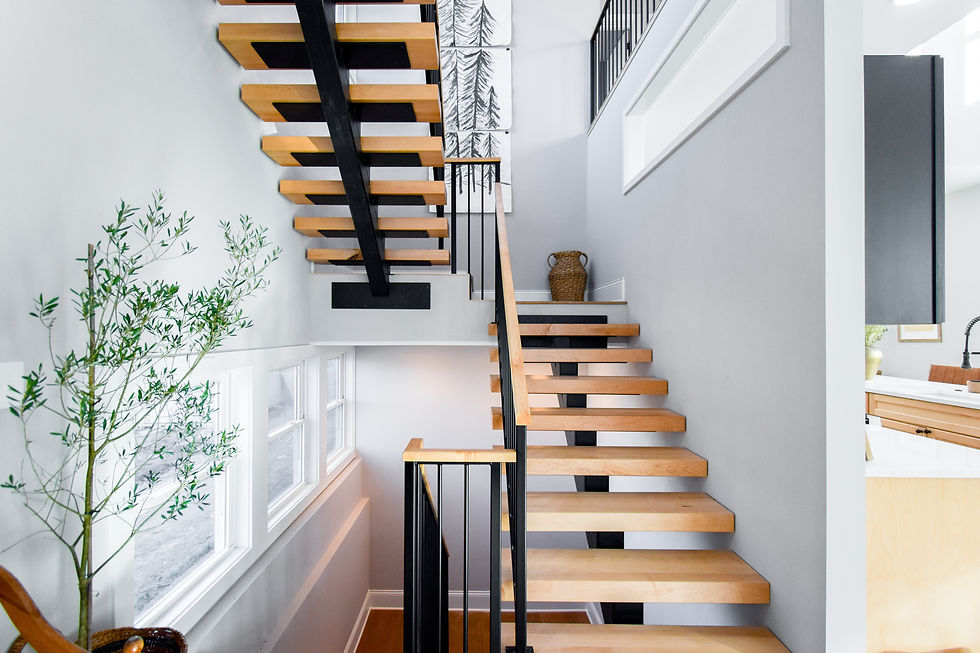
How Much Does It Cost to Replace a Staircase with a Floating Staircase?
The cost of replacing an existing staircase can vary significantly depending on the scope of work involved.
The staircase itself is only one part of the equation. Homeowners should understand that the total project cost often extends beyond the staircase itself. Demolition, framing modifications, drywall repairs, flooring repairs, painting, and engineering may all be part of the overall renovation budget.
If you're interested in learning more about pricing, check out our article on How Much Does a Floating Staircase Cost?
Why Custom Floating Staircases Are Often the Best Choice for Existing Homes
Unlike new construction, existing homes rarely provide ideal conditions for a one-size-fits-all staircase solution.
Dimensions vary. Structural conditions vary. Ceiling heights vary. Attachment points vary.
This is why custom floating staircases are often the preferred choice for remodel projects.
A custom staircase can be designed around the specific conditions of the home rather than forcing the home to adapt to a pre-manufactured system. This often results in a cleaner installation, better fit, and a more polished final appearance.
If you're curious about what happens once fabrication is complete, we explain the process in our article How Are Floating Staircases Installed?
Choosing the Right Tread Material
Once you've determined that a floating staircase will work in your home, one of the most exciting decisions becomes selecting the tread material.
Wood species play a major role in the overall appearance of the staircase. White oak remains one of the most popular choices because of its clean grain pattern and versatility, but species such as walnut, maple, ash, and red oak each offer their own unique advantages.
Durability, color, grain pattern, and budget should all be considered when selecting tread materials.
If you're evaluating your options, our guide on How to Choose the Best Wood for Floating Staircase Treads can help you compare the most common species.
Frequently Asked Questions
Can a floating staircase be installed in a two-story home?
Yes. Many floating staircases are installed in existing two-story homes during renovation projects. Structural support requirements will vary based on the home's framing and layout.
Do walls need to be removed to install a floating staircase?
Not always. Some projects require minor modifications while others may involve larger structural changes depending on the staircase design.
Can I keep my existing flooring when replacing a staircase?
Sometimes. It depends on how the existing staircase is attached and whether modifications to the floor structure are required. During the evaluation process, we can identify what finishes may be impacted and what can typically be preserved.
How long does it take to replace an existing staircase?
Project timelines vary depending on demolition, structural modifications, engineering, fabrication, and installation requirements.
Is a permit required?
In most jurisdictions, yes. Local building codes and permit requirements should be reviewed before beginning a staircase renovation project.
Can a Floating Staircase Work in Your Home?
Every home presents unique structural conditions. Our team can evaluate your existing staircase, discuss your goals, and determine whether a custom floating staircase is the right solution for your space.
Schedule a consultation to discuss your project and determine what options may be available for your space.


Comments